Working together respectfully: an interview with the ADFC’s co-chairs
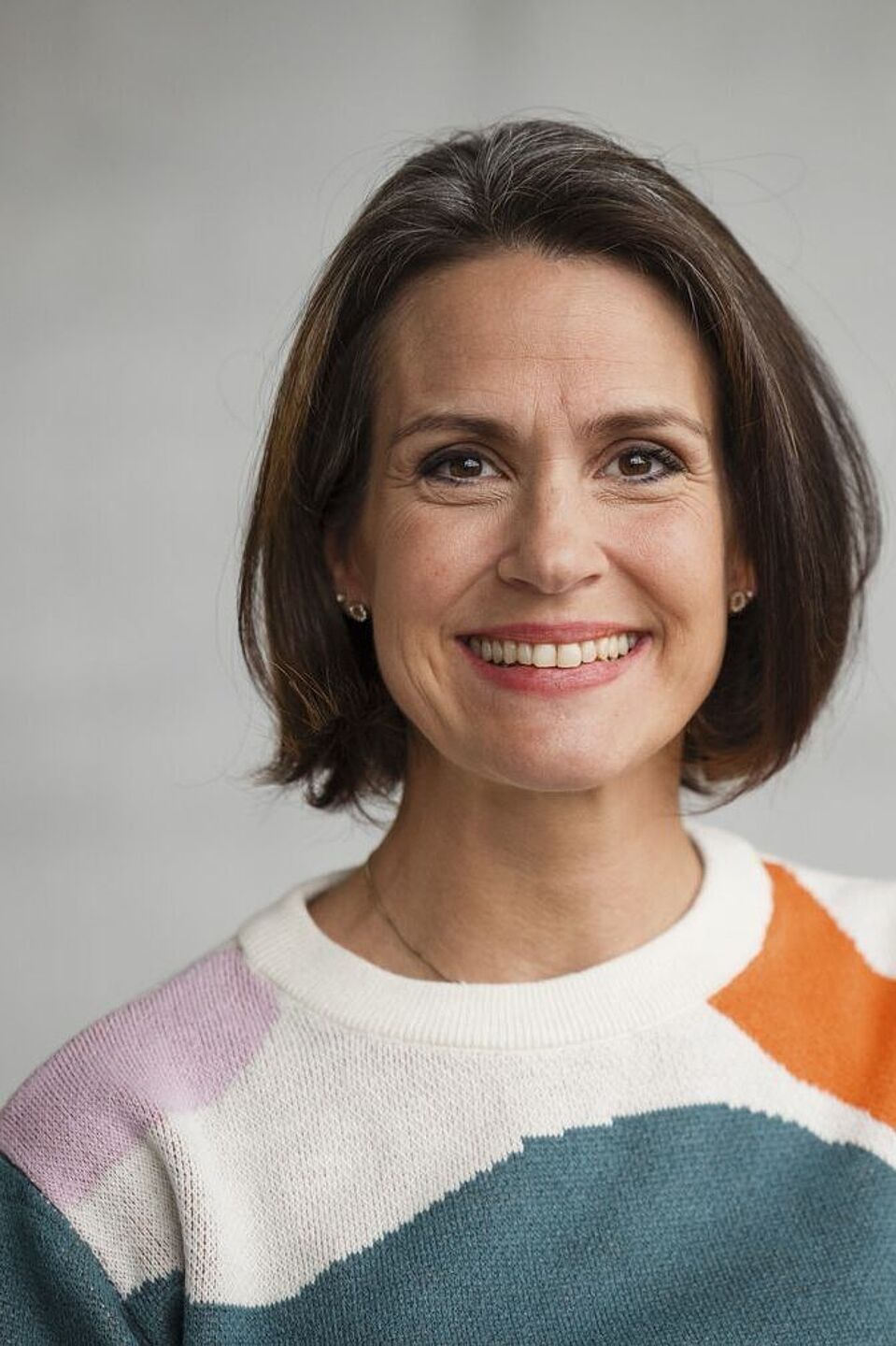
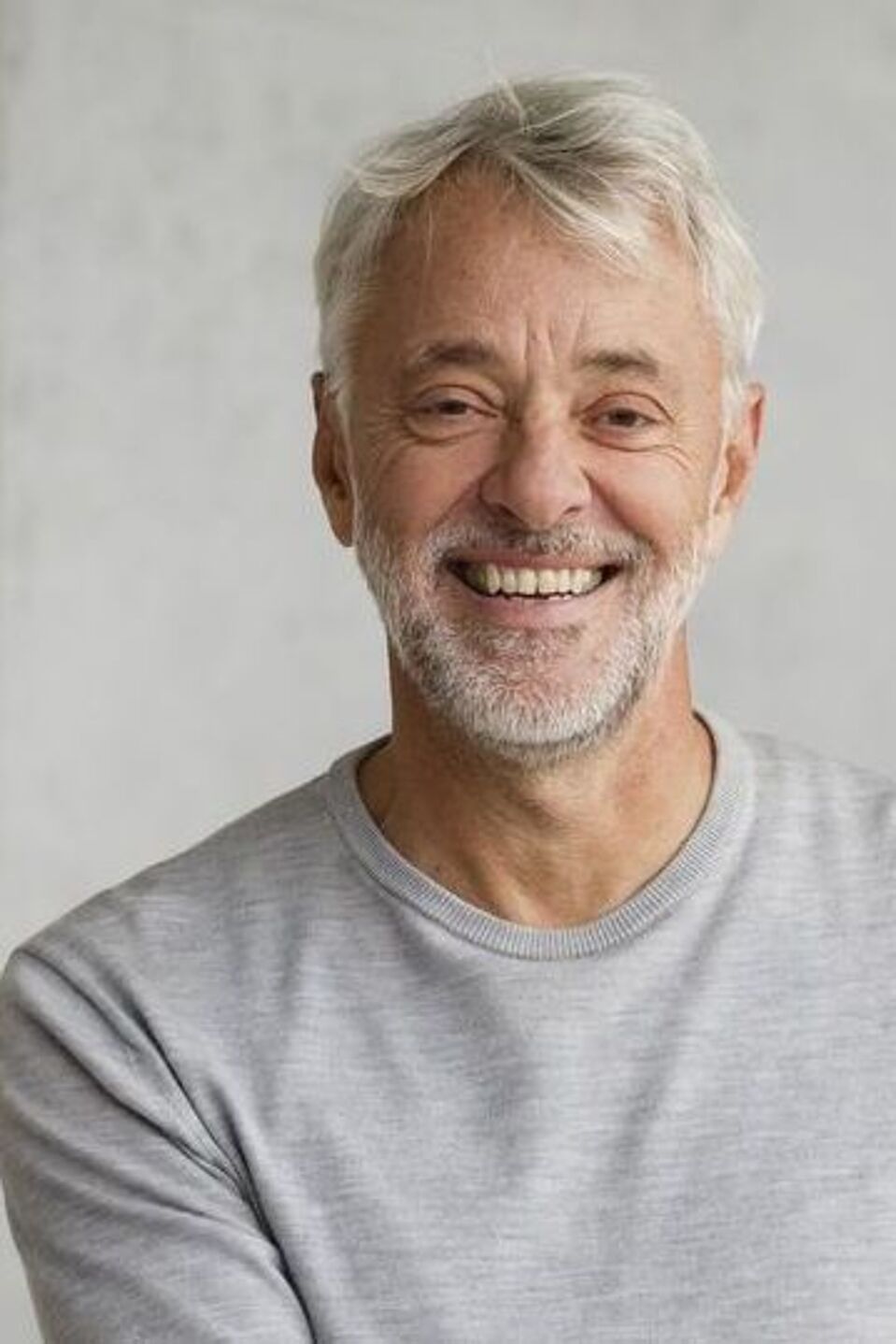
Since the ADFC’s general meeting in mid-November, the ADFC has been under dual leadarship: Sarah Holczer and Frank Masurat are the association's new co-chairs. We asked them what will change and what plans they have for the ADFC.
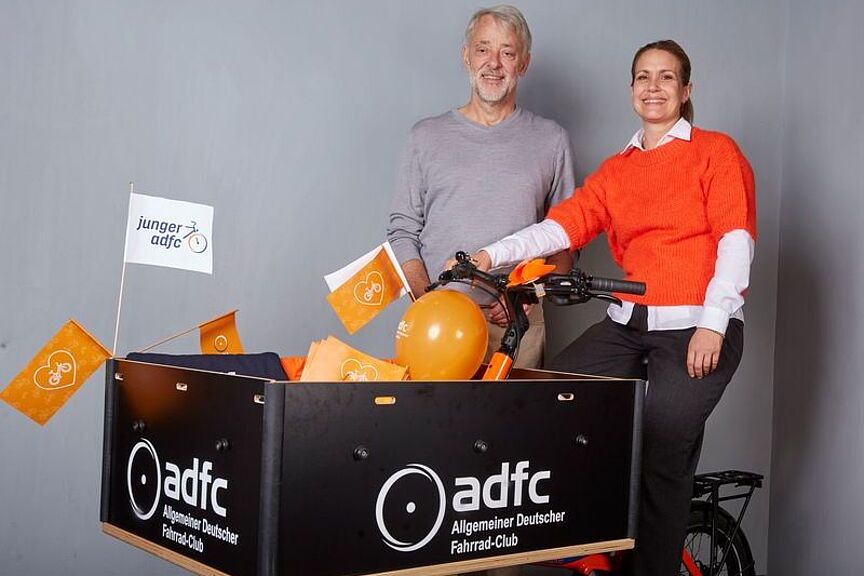
The ADFC is now headed by two chairs with parity. What does this mean for the ADFC?
Sarah Holczer: At the ADFC’s 2024 general meeting, the delegates resolved that the association would adopt a dual leadership structure based on equal representation, so that it becomes more sustainable, diverse and representative. I am delighted to be part of this leadership duo, particularly as I worked closely with Frank Masurat in my previous role as Deputy National Chair.
Parity is an effective tool for highlighting structural imbalances and actively redressing them. That is why I am particularly pleased that the ADFC takes modern leadership models seriously and not only calls for equality but also practises it. This greatly strengthens our credibility, our internal diversity and our political influence. Dual leadership is fitting for a time when social representation and democratic participation are more important than ever. In doing so, the ADFC signals that it no longer views leadership as a hierarchical individual role, but as a shared responsibility that incorporates different perspectives, experiences and skills on an equal footing. This is also how we organise our work on the Federal Executive Board: we see ourselves as a unified board, in which everyone has their own areas of focus, contributes their expertise and perspectives, and works together as a team.
What are the key messages for the ADFC over the next few years?
Frank Masurat: The ADFC's vision is for Germany to become a "Bicycle-Friendly Country Plus". By this we mean that anyone who wants to cycle should be able to do so safely: parents can let their children cycle to school without any worries, and older people can enjoy riding their bikes and keeping fit as a result. For people commuting to work, the bicycle is an important mode of transport that can also help reduce stress. We want to show that cycling is fun, brings us joy and improves our health, and makes our neighbourhoods places worth living in.
Cycling is a form of social participation, because it brings people together, regardless of their age, gender, background or financial circumstances. If we want to ensure that cycling becomes easy, safe and normal for everyone, we at the ADFC must not only talk about the bicycle as a mode of transport and about infrastructure and transport planning, we also need to make people aware of the fact that the bicycle stands for freedom, participation and democracy in action. The bicycle is, after all, a democratic mode of transport – because it is accessible to all.
Cycling strengthens our democracy, which is particularly important today, at a time when social cohesion is fraying and populist slogans – which were unthinkable just a few years ago – are met with applause on talk shows and in parliaments. Democracy is not something we achieve once and then retain forever. Democracy thrives on people taking a stand. And that is what we do at ADFC: we are more than a cycling club, more than an advocacy group – we are part of a strong, united civil society. We campaign for safe roads and good cycle paths, and we are committed to a society in which diversity and respect are a given – and in which exclusion has no place.
How can the ADFC reach people who haven’t had much to do with cycling until now?
Sarah Holczer: Cycling is one of the most effective and cost-efficient ways to promote health and well-being. It improves quality of life and reduces CO₂ emissions. That is why we want to promote the health benefits of cycling more actively in future, thereby encouraging more people to cycle. Cycling - whether in everday life or for leisure - has many benefits: it can help prevent serious illnesses, improves physical and mental fitness, and promotes a love of life as well as social interactions, all of which has been scientifically documented. Cycling is therefore not only important for one’s own health, but also helps to reduce costs in the healthcare system and for businesses.
Cycle tourism, the bicycle industry with its manufacturing sector, specialist retailers, and the many services related to cycling are of growing importance to the German economy. We also want to further strengthen workplace and health-related mobility management through cycling – through the ‘Bicycle-Friendly Employer’ project, but also in collaboration with businesses, trade associations and trade unions, so that cycling becomes a key factor in attracting businesses to a location.
How do you get people to embrace change?
Frank Masurat: More cyclists mean an improvement in quality of life - not just for the cyclists themselves but for everyone in Germany. When people take the bike for short and medium distances, traffic as a whole is quieter and flows more smoothly; there are also fewer pollutants and odours in the air. This frees up space and creates places where people can meet. Encouraging more people to take the bike to improve quality of life is one of the ADFC's goals. We are committed to bringing about these changes and making them visible and tangible for people.
The ADFC does not want to be a mere “bystander offering commentary” in political debates – are there any specific plans or projects the association intends to tackle?
Frank Masurat: The bicycle has the potential to be a lifelong and flexible means of transport - something we want to convey by putting our hearts and souls into our activities and communications. At a policy level, we advocate for a strong cycling culture as a safe, healthy, sustainable and convenient transport solution – and back this up with arguments and data: we have highlighted Germany's cycling potential with the Fraunhofer Climate Study. We have improved the legal framework with the reform of the German Road Traffic Act. But we won't stop there: we will continue to promote cycling – as the ADFC as well as through partnerships and alliances.
We support federal, state and local authorities by providing solution-oriented and knowledge-based advice and guidance. The ADFC doesn’t just criticise from the sidelines; it coaches and leads by example! That's why we monitor and evaluate developments in cycling in Germany and abroad, deriving recommendations for action, best-practice examples and new approaches from them. Our priority is always a safe, seamless infrastructure, effective intermodality and respectful coexistence on the road.
